For years, the market equated weight with quality: heavier meant more material, more presence and more realism. That assumption is changing. Lightweight silicone dolls are gaining share because they solve a practical problem that heavier dolls create — shipping, handling and storage.

This article explains how lightweight construction works, where the trade-offs are, and what buyers should verify before ordering.
1. Why weight became a problem
- Freight is often charged on volumetric or actual weight, with surcharges for heavy items.
- Customers in apartments or with limited mobility struggle to move a 45 kg doll.
- Retailers face higher damage rates and return costs.
- Warehouse handling and insurance costs rise with weight.
As direct-to-consumer sales grew, the cost of weight became more visible than the perceived benefit.
2. How lightweight construction is achieved
Core design
A hollow or foam-core body reduces mass without changing the outer shape. The quality of the core determines whether the doll feels stable or hollow.
Wall thickness
Thinner silicone walls reduce weight, but they also change durability and heat resistance. A controlled reduction is different from simply making the walls too thin.
Material formulation
Some silicone formulations are lighter or allow a thinner wall with similar performance. The trade-off is usually cost and process control.
Skeleton design
A lighter alloy or optimized frame can reduce weight, but it must still support the body and hold poses.
3. The trade-offs
- Feel: lighter bodies can feel less dense in the torso.
- Durability: thinner walls may be more vulnerable to cuts and heat.
- Pose stability: a lighter frame must be well designed to hold poses.
- Price: lightweight engineering can add cost, not always reduce it.
Factory note: the best lightweight dolls are not simply "less material". They are redesigned around a lighter core and a stronger frame. Ask for the wall thickness, core type and warranty terms, not only the final weight.
4. Where lightweight wins
- E-commerce and direct-to-consumer markets with high last-mile cost.
- Customers in small apartments or with limited handling ability.
- Markets with strict courier weight limits.
- Retailers who want to reduce damage and return costs.
5. What to verify before ordering
- Actual weight and packed weight.
- Wall thickness and core type.
- Skeleton design and pose stability.
- Heat resistance and storage guidance.
- Warranty terms for compression and tears.
- A physical sample, not only a specification sheet.
For a direct weight comparison, read our 28 kg vs 38 kg vs 47 kg guide. For material differences, see the silicone vs TPE buyer's guide.
Lightweight vs standard: what changes
- Weight: lower packed weight and easier handling.
- Core: hollow or foam structure instead of a dense body.
- Wall thickness: often thinner, requiring more care with sharp objects.
- Feel: less dense, especially in the torso.
- Freight: lower volumetric and handling charges.
- Price: engineering can add cost even when material use falls.
A freight math example
Assume two dolls with the same carton size but different packed weights. If the courier charges a heavy-item surcharge above a threshold, the lighter doll may avoid that surcharge entirely. On a direct-to-consumer order, that difference can be the margin on the sale.
Ask for quotes on both the actual weight and the volumetric weight. Then compare the delivered cost, not only the freight line.
How to communicate the trade-off
- State the weight and packed weight clearly.
- Explain the benefit: easier handling, lower delivery cost, easier storage.
- Be honest about the feel: less dense, still realistic.
- Recommend the right customer profile.
- Offer a heavier model for buyers who prioritize density.
FAQ
Are lightweight silicone dolls as durable as heavier dolls?
Durability depends on the construction, not only the weight. A well-designed lightweight core can be durable, but thinner walls may be more vulnerable to sharp objects and heat. Ask for the wall thickness and warranty terms.
How much can a lightweight design reduce shipping cost?
It depends on the packed weight, carton size and destination. Lower weight and smaller cartons can reduce volumetric charges and handling fees, but the exact saving must be quoted for your route.
Do lightweight dolls feel less realistic?
They can feel less dense, especially in the torso. The trade-off is usually acceptable for e-commerce and customers who prioritize handling, but premium collector buyers may still prefer a heavier body.
About this guide
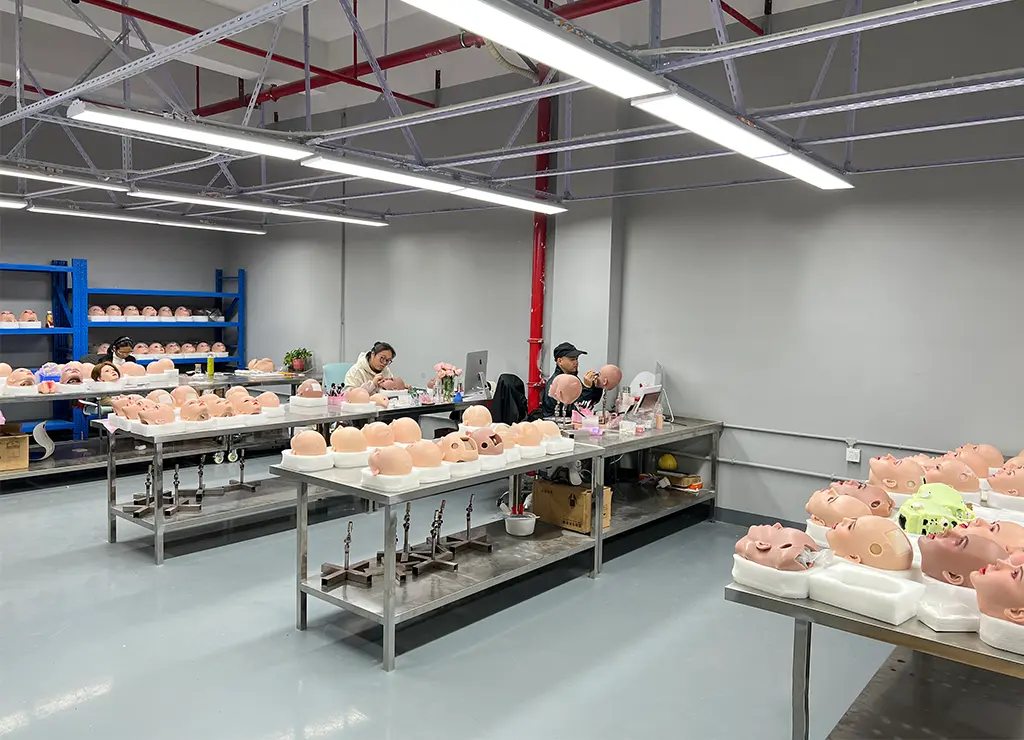
This guide is based on lightweight model development and freight data at CoolMate Silicone Doll Factory. Weight and construction vary by model. Contact us for a sample and a packed-weight specification.
Last reviewed: October 2026 by the CoolMate Silicone Doll Factory production team.