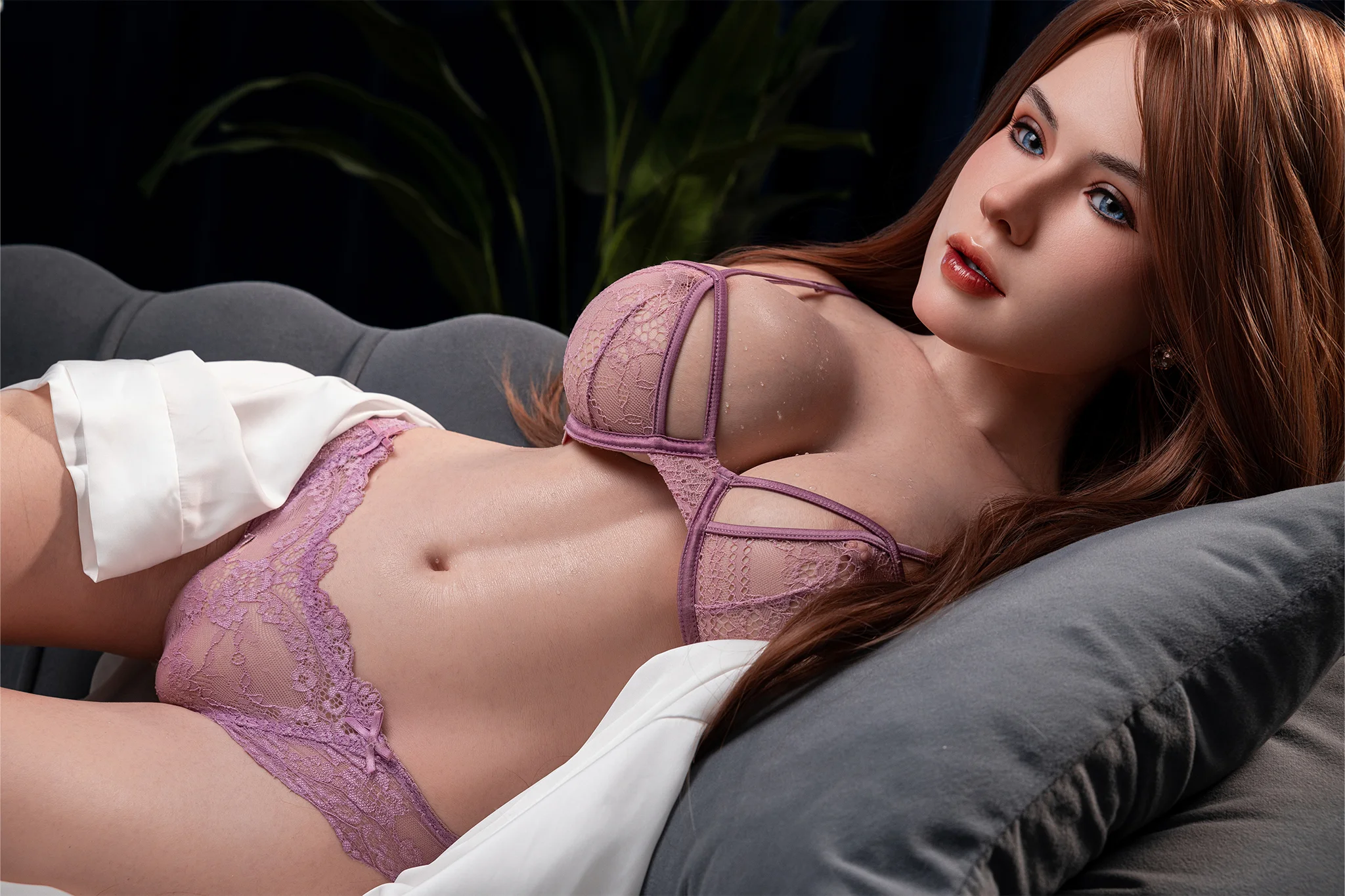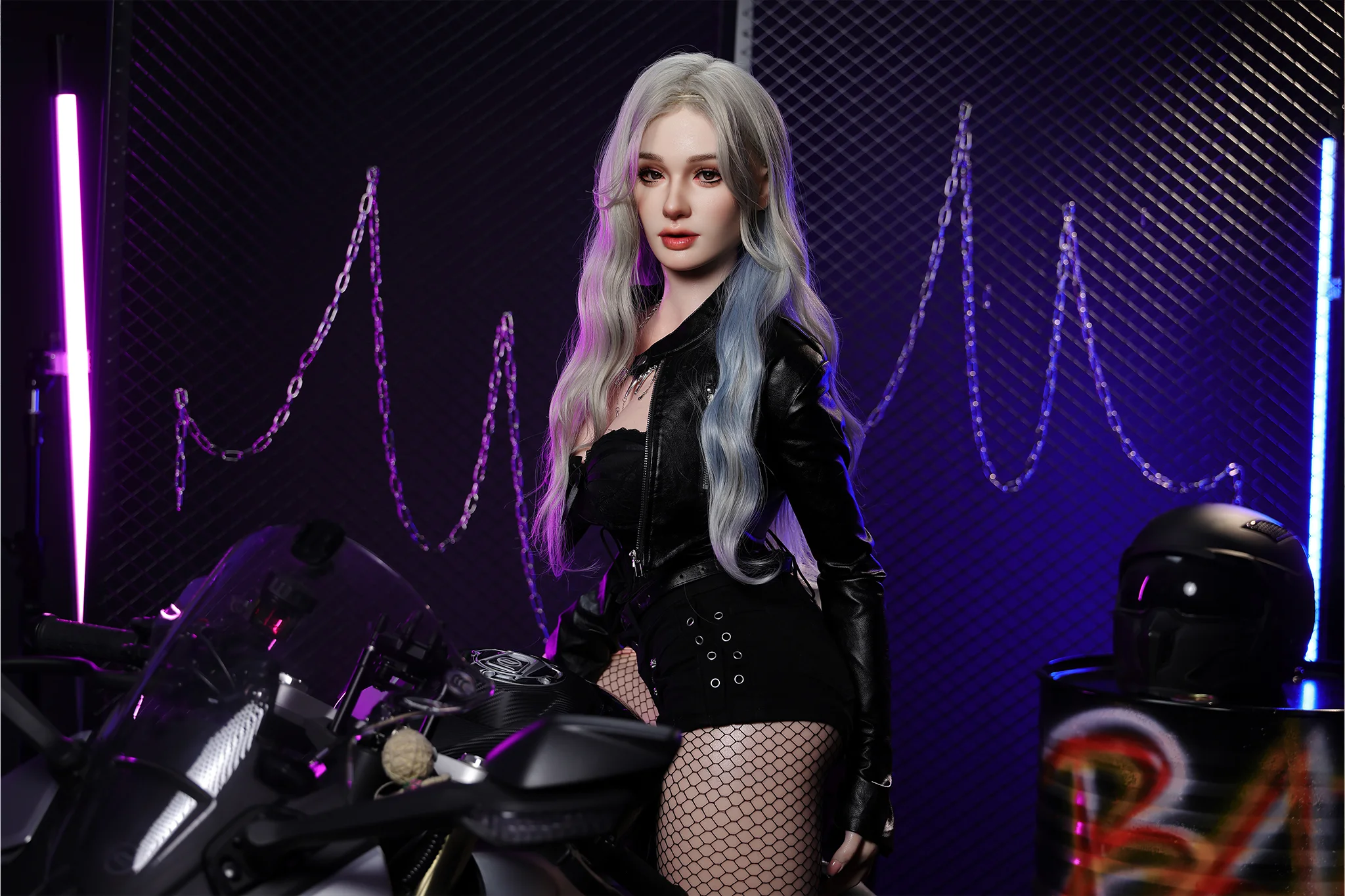
Anime-style dolls are a distinct niche within the adult doll market. They are not simply "cute" versions of realistic dolls; they follow a different design language, a different customer expectation and a different content strategy.
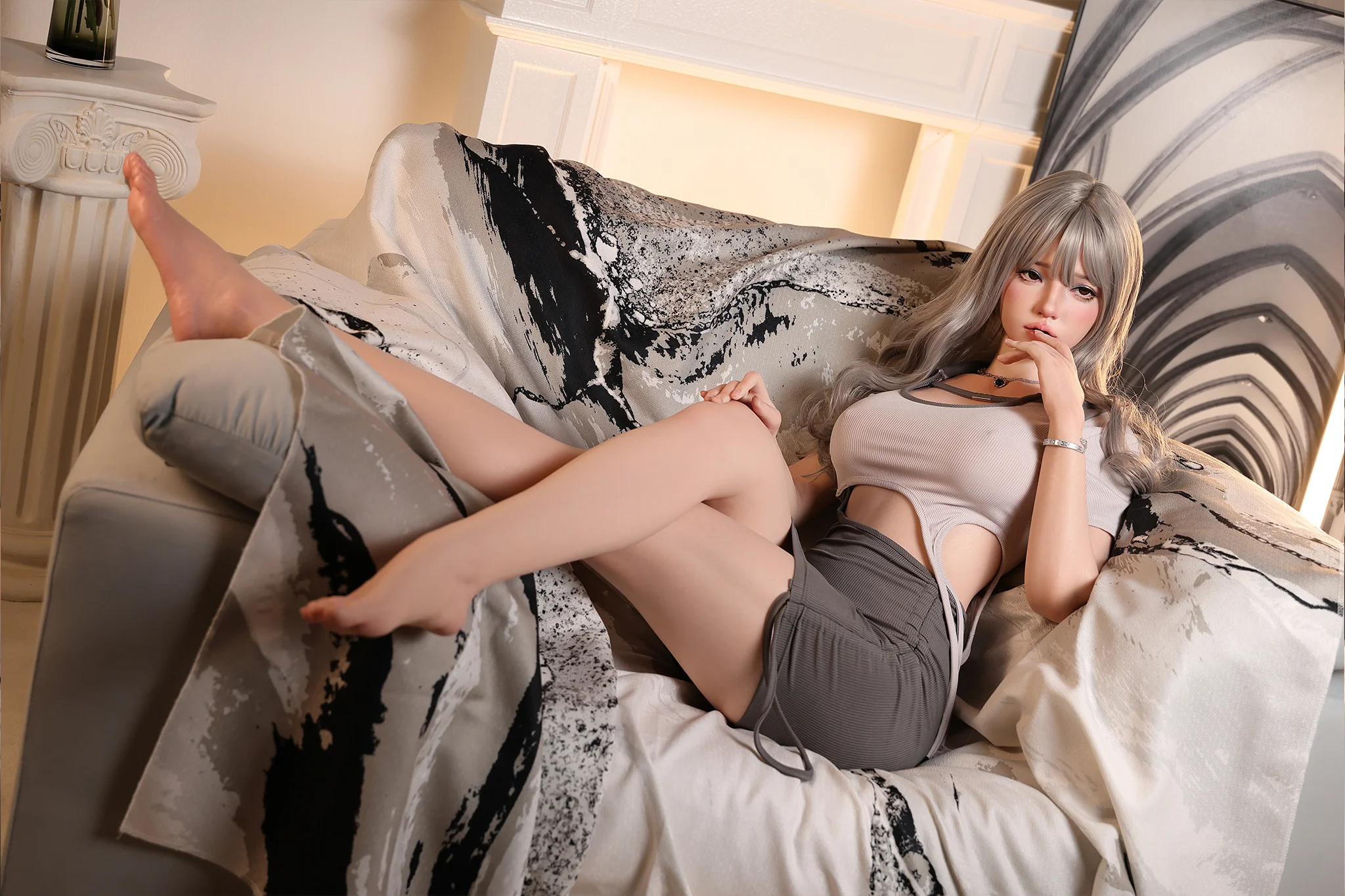
This guide explains the category and how a brand can position it without overpromising or ignoring IP risk.
1. What defines the anime style
- Exaggerated facial proportions and large eyes.
- Stylized hair, colors and accessories.
- Character-driven design rather than photorealism.
- Body proportions that follow illustration conventions.
- Paint and finish that emphasize a clean, graphic look.
The result is a product that appeals to fans of anime, games and character culture, not necessarily to buyers looking for a realistic human likeness.
2. Who buys anime dolls
The audience is niche but engaged. Buyers often care about the character, the aesthetic and the community around it. They are more likely to follow a brand's story, collect accessories and share photos than a mainstream buyer.
- Anime and gaming fans.
- Collectors of stylized figures and dolls.
- Buyers who prefer a fantasy aesthetic over realism.
- Customers active in community and social platforms.
3. Product considerations
Head and face
The head is the center of the design. Eye size, face shape and expression must match the intended style. A realistic head on an anime body creates a confusing product.
Body proportions
Anime proportions are not simply "smaller". They follow illustration conventions that must be consistent across the body, head and clothing.
Paint and hair
Clean paint and stylized hair are essential. Color consistency matters more than skin realism. Wigs and removable hair can increase styling options.
4. Brand positioning
- Define the character universe, not only the product.
- Use original designs to avoid IP conflicts.
- Build a consistent visual identity across the site and packaging.
- Create community content: styling, photography, care and stories.
- Offer accessories that extend the character experience.
5. IP and legal risk
Recognizable copyrighted characters cannot be used without permission. This applies to faces, costumes, names and marketing. The safest path is to develop original characters or obtain a license. A legal review before production is cheaper than a takedown or a lawsuit.
Factory note: the most common mistake in this niche is commissioning a sculpt that closely resembles a known character without a license. The product may sell quickly, but the legal and platform risk is high.
6. Content strategy
- Character profiles and design notes.
- Styling and photography guides.
- Behind-the-scenes production content.
- Care and storage guides for stylized materials.
- Community features and user-generated content with permission.
For a broader view of customization, read our custom options guide. For market context, see the 2026 trends article.
Product development checklist
- Define the character and visual style before sculpting.
- Confirm body proportions and head scale together.
- Approve paint and hair on a physical sample.
- Check clothing and accessory compatibility.
- Confirm packaging fits the character brand.
- Complete an IP and licensing review.
Photography and content style
Anime products need a consistent visual language. Use clean lighting, stylized sets and a color palette that matches the character. Avoid mixing realistic lifestyle photography with illustration-style product images, which creates a confusing brand.
- Character profiles and backstories.
- Styling and outfit guides.
- Close-up detail shots.
- Behind-the-scenes sculpt and paint content.
- Care instructions for wigs and painted details.
Community and partnerships
This niche grows through community. Partner with artists, photographers and reviewers who understand the style. Clearly disclose sponsorships and respect platform rules. Build an original character universe rather than borrowing a known one.
FAQ
What makes a doll "anime style"?
Anime-style dolls usually have exaggerated facial proportions, large eyes, stylized hair and a character-driven aesthetic rather than photorealistic human features. The body proportions and paint style also differ from realistic dolls.
Who buys anime sex dolls?
Buyers are often fans of anime, gaming and character culture who value a stylized aesthetic over photorealistic realism. The audience is niche but loyal, and it responds well to character storytelling and community content.
Are there intellectual property risks with anime dolls?
Yes. Using a recognizable copyrighted character without permission can create legal risk. Brands should develop original characters or obtain the necessary licenses before producing and selling.
About this guide
This article is based on product development discussions at CoolMate Silicone Doll Factory. It is general market information, not legal advice. Contact us to discuss original character development and production.
Last reviewed: October 2026 by the CoolMate Silicone Doll Factory production team.