Trust is the real conversion bottleneck in the doll industry. Buyers are asked to spend a significant amount on a product they cannot see in person, shipped from another country. Fake reviews may appear to solve this problem, but they create a bigger one when buyers verify.

This playbook explains what to show instead, and how to build credibility that survives due diligence.
1. Why fake reviews backfire
- B2B buyers check multiple sources before ordering.
- Platforms and payment providers penalize review manipulation.
- Fake reviews often contradict the product specification or delivery experience.
- One credible negative review can be more persuasive than ten perfect ones.
2. Show the process, not just the product
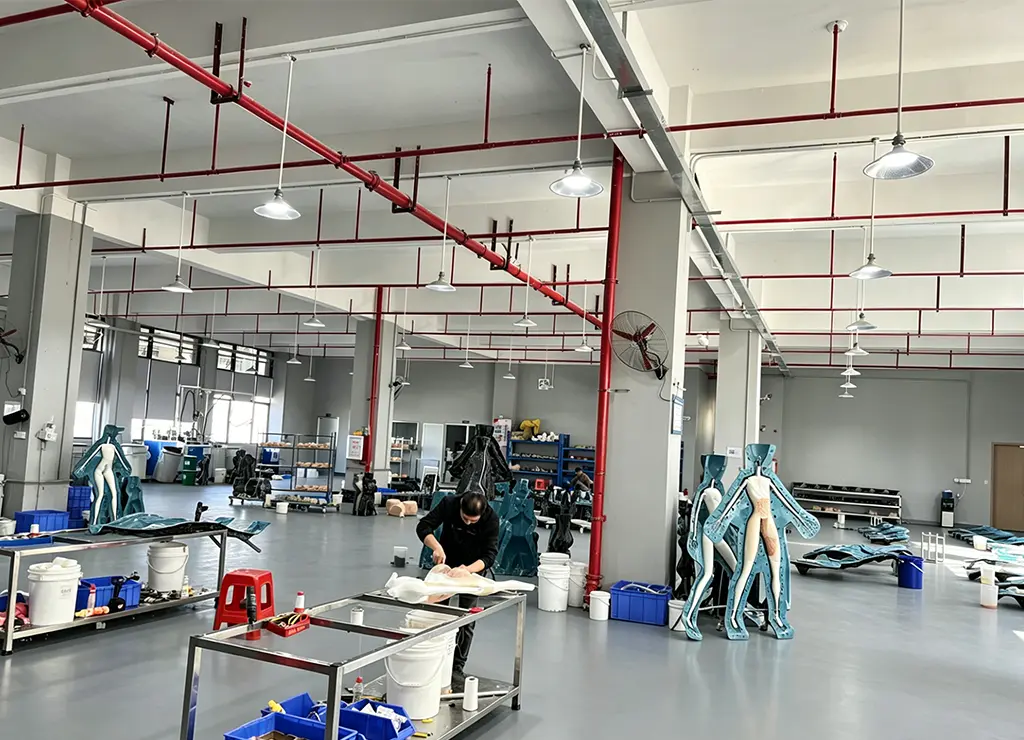
A factory has an advantage that a retailer does not: it can show how the product is made. That is difficult to fake and highly relevant to a buyer evaluating quality.
- Live or recorded factory walkthrough.
- Material storage and batch labeling.
- Mold and casting process.
- Seam trimming and paint work.
- Skeleton assembly and joint testing.
- Final QC and packing.
3. Document what you claim
Every claim on the site should have evidence behind it. If you say "platinum silicone", show the material sheet. If you say "CE", show the declaration and test scope. If you say "low MOQ", explain the conditions.
- Material datasheets.
- Test reports with a clear scope.
- Sample approval records.
- Packaging and label photos.
- Production timelines and QC checklists.
4. Use real case studies
A case study does not need a famous brand. It needs a specific problem, a process and a result. Describe the model, the customization, the packaging, the challenge and what changed. If the client cannot be named, use an anonymized but accurate description.
Factory note: the most persuasive content we publish is not a testimonial. It is a clear explanation of a production problem and how it was solved, with photos of the actual process.
5. Be transparent about limits
- State lead times and what can delay them.
- Explain warranty exclusions clearly.
- Publish MOQ conditions and customization limits.
- Show the real shipping and return process.
- Correct errors publicly and quickly.
6. Collect real reviews properly
- Ask after delivery, not before.
- Make the request simple and optional.
- Verify the purchase.
- Publish the review with context (model, order type, date).
- Do not edit the substance or incentivize positive ratings.
7. Measure trust, not only traffic
- Time on product and factory pages.
- Sample requests and quote requests.
- Reply rate and qualification of inquiries.
- Repeat orders and referrals.
- Branded search volume.
For a related growth plan, read our B2B SEO guide. For factory proof, visit our factory page.
A 30-day trust content calendar
- Week 1: publish a factory walkthrough and a process photo set.
- Week 2: publish a material or QC explainer with documents.
- Week 3: publish a real or anonymized case study with the problem and result.
- Week 4: publish a transparent FAQ covering lead time, MOQ, warranty and shipping.
Each piece should link to the relevant product or OEM page. Trust content is not a separate campaign; it is part of the buying path.
How to handle negative feedback
- Respond quickly and publicly where appropriate.
- Acknowledge the specific issue instead of using a generic apology.
- Explain what you changed or will change.
- Move sensitive details to a private channel.
- Do not delete legitimate criticism.
Trust signals by funnel stage
- Awareness: clear brand story, factory photos and consistent information.
- Consideration: specifications, comparisons, certifications and process videos.
- Decision: sample policy, MOQ, lead time, warranty and references.
- After-sales: response time, spare parts and a documented defect process.
FAQ
Why are fake reviews risky for a B2B brand?
They damage trust when discovered, violate platform policies and can lead to penalties. B2B buyers are especially likely to verify claims through calls, samples and references.
What can a factory show instead of reviews?
Live factory video, process documentation, material reports, sample records, packaging photos, references and real case studies. These are harder to fake and more relevant to a sourcing decision.
How do I collect real reviews?
Ask after delivery, make the request easy, verify the purchase and publish the review with context. Do not edit the substance, and do not offer incentives for positive ratings.
About this guide
This playbook is based on content and sales experience at CoolMate Silicone Doll Factory. It is a practical framework, not a guarantee of results. Contact us for factory documentation or a reference call.
Last reviewed: October 2026 by the CoolMate Silicone Doll Factory production team.