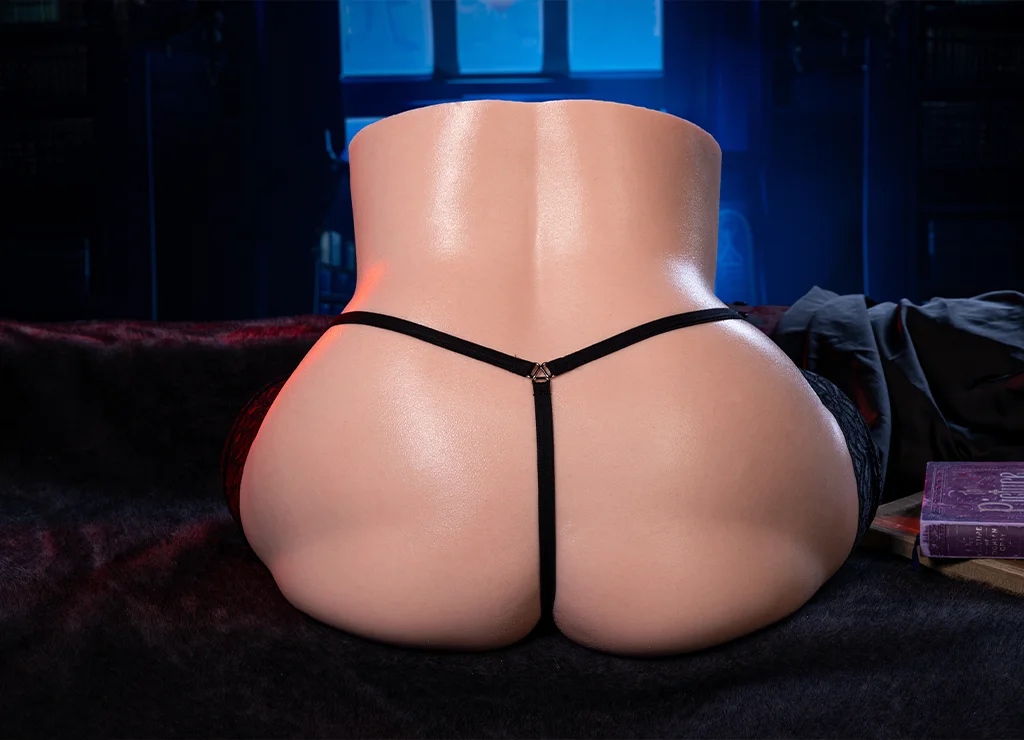
Every year we receive the same question from new distributors: "Should I buy silicone or TPE?" The honest answer is that it is not a material question at all. It is a question about your retail price band, your customer, your shipping cost and how much after-sales support you can afford. In our factory, both materials run on separate lines, and the difference in cost and handling is visible at every step.

This guide is written from the production floor rather than from a product brochure. It explains what the two materials actually are, where the real cost differences come from, and how to choose a material mix that supports your margin instead of eroding it.
What silicone and TPE actually are
Silicone used in higher-end dolls is normally platinum-cured silicone. It is a two-part system that cures into a stable, rubber-like material with good heat resistance and low shrinkage. It holds fine surface detail well, which is why silicone is often used for faces, hands and realistic skin texture.
TPE, or thermoplastic elastomer, is a blend of rubber and plastic. It is softer and more stretchy at room temperature, and it can be remelted. That makes it efficient for high-volume production, but it also means TPE is more sensitive to heat, oils and long-term deformation.
Both materials can be body-safe when produced with the right formulation and curing process. The important point for buyers is not the generic label "silicone" or "TPE", but the specific grade, the curing system and the factory's process control.
Where the real differences show up in production
1. Mold and demolding
Silicone is usually cast in rigid molds and requires longer cure time. TPE can be produced faster and is easier to demold in complex shapes. This is one reason TPE has a lower unit cost at scale. In our line, a standard full-body TPE body moves through demolding faster than a comparable silicone body, but the finishing time for seams and paint is often longer.
2. Surface detail and paint
Silicone accepts finer skin texture and holds paint more predictably. TPE is softer, so paint can wear faster on high-friction areas. For premium markets where customers inspect close-up photos before buying, silicone usually delivers a stronger first impression.
3. Weight
Silicone is denser than TPE. A full-size silicone doll commonly weighs 35–47 kg, while a similar TPE body often sits in the 28–38 kg range. This affects packing, courier surcharges, warehouse handling and the end customer's ability to move the doll safely.
4. Repair and maintenance
Silicone can be repaired with specialist silicone adhesive and patched more discreetly. TPE repairs are possible but blends vary, and some adhesives do not bond well. TPE also needs more regular powdering to prevent tackiness. Retailers should factor these differences into their warranty policy.
Cost and margin reality
At factory level, the gap between a TPE body and a comparable silicone body is significant. The exact number depends on height, weight, head complexity, skeleton, paint work and order volume, so treat any single figure with caution. What matters is the landed cost after freight, duties, packaging and payment fees.
- TPE: lower unit cost, lighter shipping, faster replenishment, but higher return risk if customers expect premium realism.
- Silicone: higher unit cost, heavier freight, longer production lead time, but stronger premium positioning and better perceived durability.
- Mixed range: use TPE for entry-level and volume models, silicone for flagship and custom models. This is the most common structure among established distributors.
Factory note: the biggest margin mistake we see is a buyer choosing silicone for a market that is price-sensitive, then discovering that freight and import duties push the landed cost beyond the local retail ceiling. Material choice must start from the shelf price, not from the factory price.
Which material fits which market?
There is no universal answer, but the patterns are fairly consistent:
- Price-led online retail: TPE usually performs better. Customers compare visible size and price, and the softer feel is a strong selling point.
- Premium boutique or collector market: silicone is usually expected. Buyers ask about platinum cure, seam quality, skeleton type and paint durability.
- B2B rental, photography or display: silicone is often preferred for surface stability and repeated handling.
- First-time brand launch: start with a small TPE core range plus one silicone hero model. This limits inventory risk while testing demand.
A practical sample evaluation checklist
- Confirm the exact material grade and curing system in writing.
- Check smell after unboxing and again after 24 hours.
- Inspect seams under daylight, especially under the arms, between the legs and around the neck.
- Test joint range and listen for skeleton noise.
- Check paint on lips, nipples, nails and other high-detail areas.
- Weigh the sample yourself and compare it with the specification sheet.
- Store it for two weeks in normal room conditions and check for tackiness or deformation.
If you are still comparing suppliers, our guide on how to choose a reliable sex doll manufacturer in China walks through factory verification in more detail. You can also review our silicone series and full product range to see how the two materials are positioned for different buyers.
FAQ
Is silicone always better than TPE?
No. Silicone offers better durability, surface detail and easier cleaning, but it costs more and is heavier. TPE offers softer skin feel and a lower entry price. The right choice depends on your retail price band, target market and expected order volume.
Can one factory produce both silicone and TPE dolls?
Yes, but the production lines, molds and finishing processes are different. A factory that runs both materials should be able to show separate work areas, material certificates and sample dolls for each line.
What should I check on a sample before placing a bulk order?
Check surface texture, seam trimming, joint range, weight, smell, color consistency, paint durability and packaging. Compare the sample against the approved specification sheet, not only against photos.
About this guide
This guide was prepared by the CoolMate Silicone Doll Factory export and production team from daily work with silicone and TPE doll manufacturing, OEM/ODM projects and export orders. Figures are typical ranges from our own production lines and may vary by model and specification. For a project-specific recommendation, contact our factory team.
Last reviewed: October 2026 by the CoolMate Silicone Doll Factory production team.