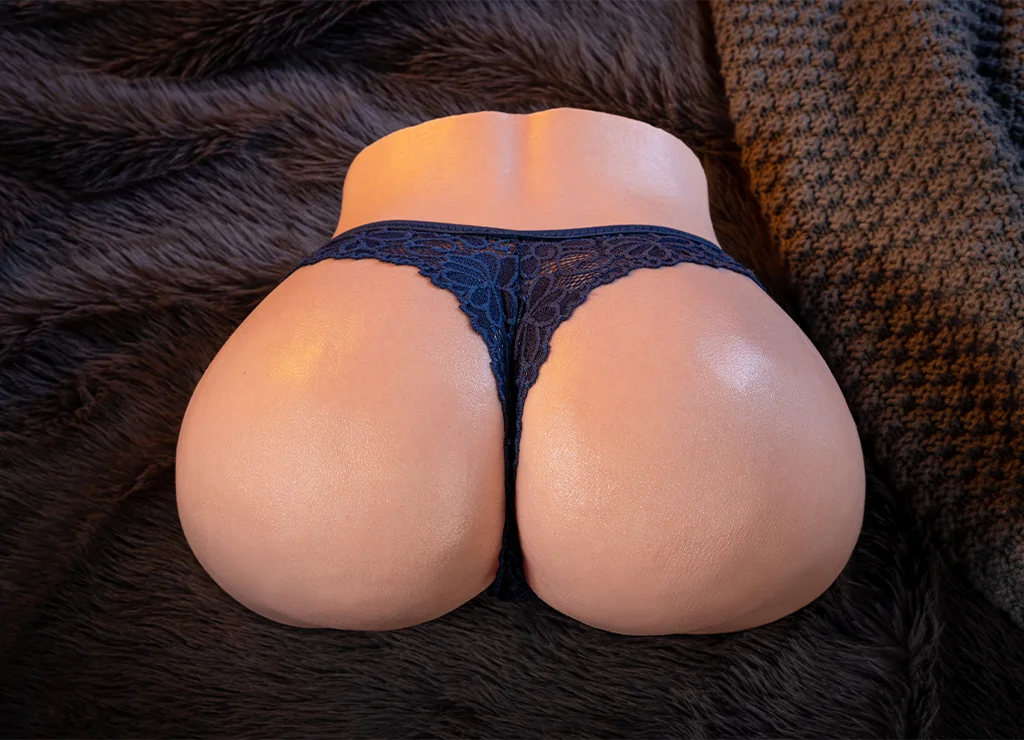
"Platinum silicone" is one of the most overused phrases in the doll industry. It sounds technical, it justifies a higher price, and it is difficult for a buyer to verify from a photo. In our factory, we see the difference clearly at the mixing, curing and finishing stages, and we also see how often the term is used loosely in quotations.

This article explains what platinum-cured silicone really means, why it matters for distributors, and how to verify a supplier's claim before you put it on your product page.
What "platinum" refers to
Platinum-cured silicone uses a platinum catalyst in the curing reaction. It cures evenly, has low shrinkage and generally produces a more stable finished surface. It does not rely on tin or peroxide curing, which can leave by-products and may continue to change over time.
The word "platinum" does not describe the softness or the thickness of the doll. It describes the curing chemistry. A doll can be made from platinum-cured silicone and still differ in hardness, wall thickness, filler content and surface finish. That is why the term alone is not a quality guarantee.
Platinum vs standard silicone: the practical differences
- Curing stability: platinum systems generally cure more consistently, which reduces sticky patches and uneven hardness.
- Shrinkage: lower and more predictable, which helps maintain mold dimensions and joint fit.
- Odor: typically lower, although smell also depends on pigments, release agents and packaging.
- Surface: better reproduction of fine skin texture and more predictable paint adhesion.
- Cost: higher raw material cost and tighter process control, which is reflected in the factory price.
Factory note: a common cost-cutting practice is to use platinum silicone on visible areas and a different compound on hidden or lower-stress areas. This is not always dishonest, but it must be disclosed. Buyers should ask which components use which material.
How to verify a supplier's claim
1. Ask for a component-level material breakdown
Request a simple table listing body, head, insert, joints and any soft parts, with the material and cure system for each. A professional supplier can provide this without exposing confidential formulation details.
2. Request the material datasheet
Look for the silicone system name, hardness range, curing type and supplier. A datasheet is not a guarantee, but the absence of any documentation is a warning sign.
3. Check odor and tackiness
After unboxing, let the sample air for 24 hours. Platinum-cured silicone should not develop a strong chemical smell or a persistent sticky film. If it does, ask whether release agents or a different compound were used.
4. Inspect consistency across the body
Compare the hardness of the torso, thighs and head. Inconsistent hardness can indicate mixed materials or uneven curing. A simple hand-pressure test is enough for a first screening.
5. Run a small tear test on a hidden area
On a sample, gently test a hidden seam or edge. Platinum silicone usually tears with a cleaner edge and resists elongation differently from lower-grade compounds. Do not damage a saleable sample without the supplier's agreement.
What the claim is worth commercially
For a distributor, the material claim has two values. The first is functional: better curing and surface stability can reduce returns and warranty claims. The second is marketing: premium buyers search for "platinum silicone" and use it as a quality filter.
That second value only works if the claim is accurate. If a customer later discovers that the doll is not what the listing said, the cost is not just one return. It is reviews, chargebacks and marketplace penalties. In our experience, it is better to describe the material precisely and modestly than to use a premium label loosely.
Red flags in supplier quotations
- The quotation says "platinum silicone" but the supplier cannot name the curing system.
- The price is far below other platinum silicone quotes with no explanation of grade or thickness.
- The supplier refuses to provide a component-level breakdown.
- Photos show a surface that is unusually glossy or has visible seam filler.
- The sample smells strongly after 24 hours or feels tacky across the whole body.
FAQ
How can I tell platinum silicone from standard silicone?
Ask for the material datasheet and cure system, check odor, inspect surface tackiness and request a sample for a tear and heat test. A supplier that cannot name the silicone system or provide documents should be treated with caution.
Is platinum silicone worth the higher price?
For premium and collector markets, usually yes. It offers more stable curing, lower shrinkage and better long-term surface performance. For price-led markets, the premium may be difficult to recover.
Does platinum silicone mean the whole doll is platinum silicone?
Not necessarily. Some suppliers use platinum silicone for the body and a different material for the head, or mix grades. Ask for a component-by-component material breakdown.
About this guide
Prepared by the CoolMate Silicone Doll Factory production and export team. Our material specifications are reviewed at the mixing, casting and finishing stages, and every OEM project includes an approved material sheet before production. Contact us for a sample and a component-level specification for your project.
Last reviewed: October 2026 by the CoolMate Silicone Doll Factory production team.