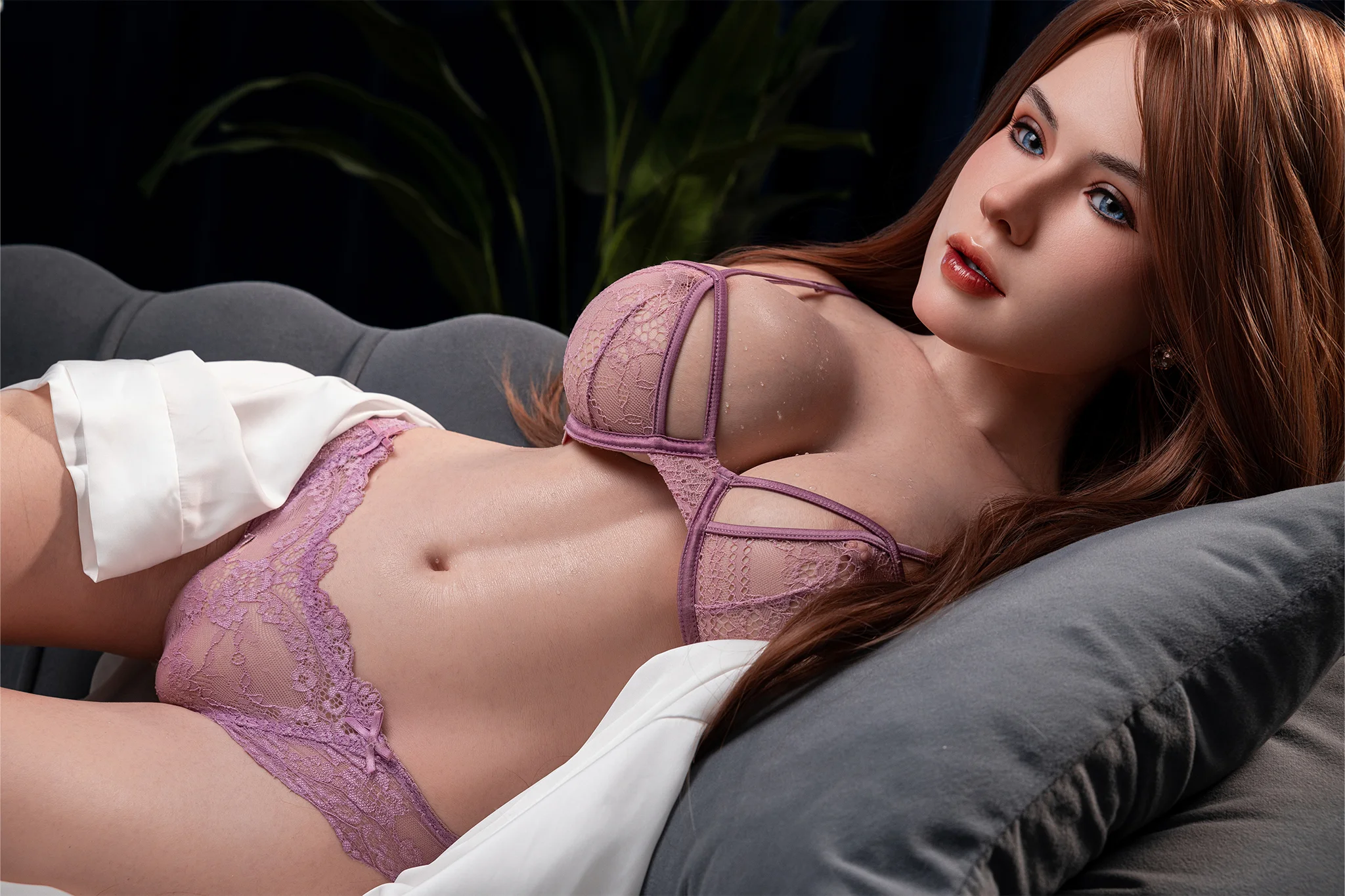
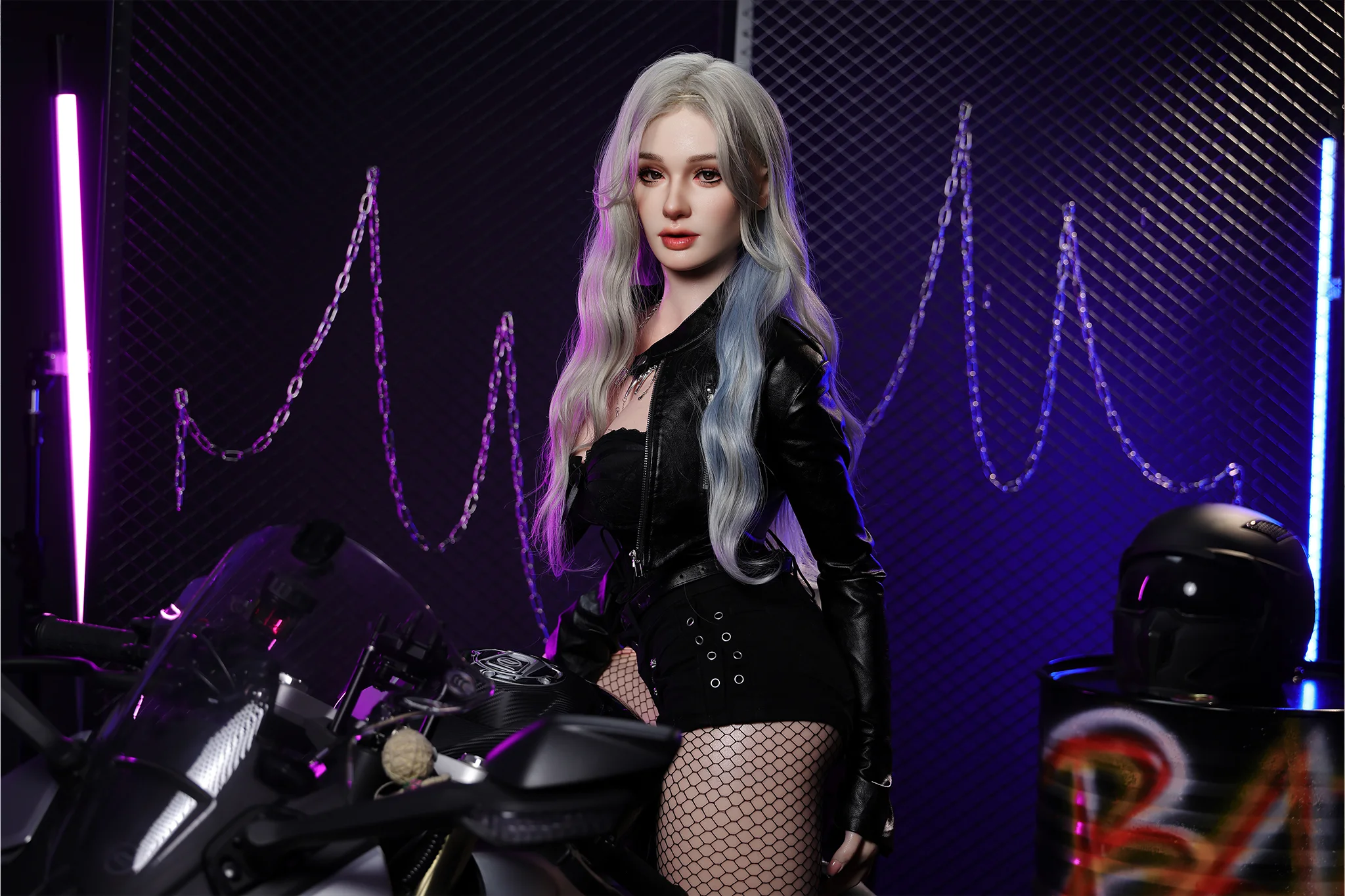
A sample order is a paid prototype, not a free preview. It confirms the face, body, material, skin tone, skeleton, packaging and labeling before bulk production. Approve a physical reference, sign it and keep it as the production standard. This guide explains what to specify, what a sample can prove and how to avoid approval delays.
For distributors and brand owners, the sample stage is where most project risk is removed — or created. A vague brief produces a beautiful but unsellable sample; a precise brief produces a reference that a factory can repeat.
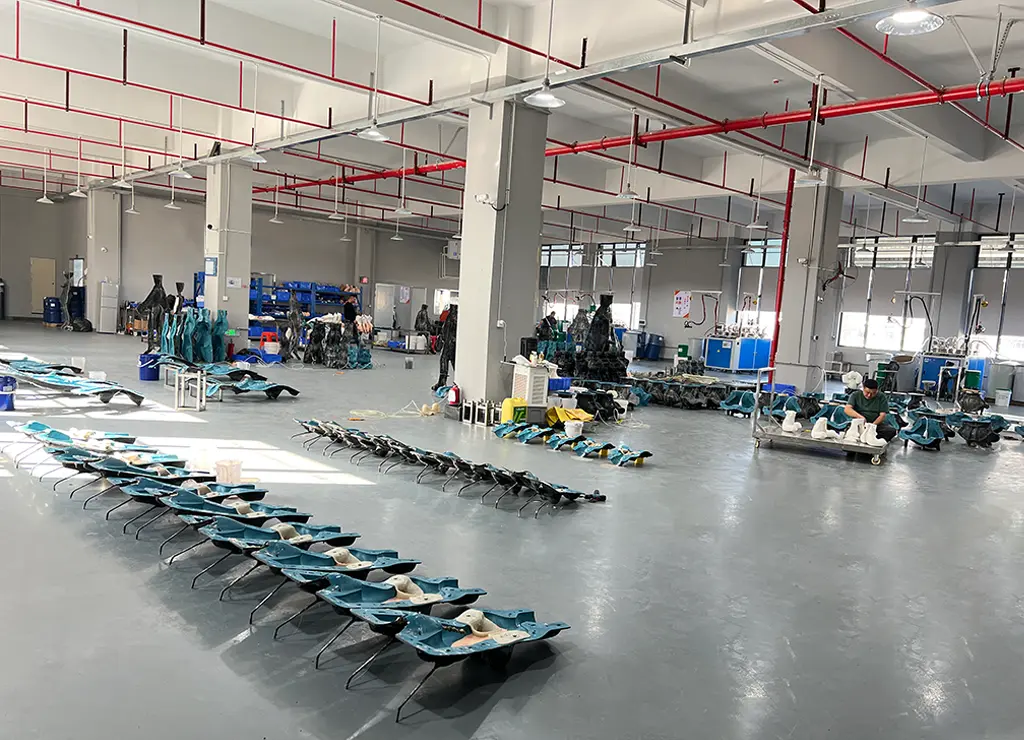
Define the sample before it is made, and approve it against a written specification.
What a sample can and cannot prove
| A sample can prove | A sample cannot fully prove |
|---|---|
| Overall look, proportions and face sculpt | Consistency across a full production lot |
| Material feel and skin tone under your lighting | Long-term wear after months of use |
| Skeleton range, stiffness and balance | Every unit's joint tension |
| Packaging fit, branding and label placement | Freight damage across every route |
| Whether the factory understood your brief | Final QC of a bulk order |
Treat the sample as a communication and approval tool. Production consistency still needs a written specification, an approved reference and a QC plan.
What to specify before the sample is made
Use one document for the whole project. Photos alone are not a specification, because two people can interpret the same image differently.
| Category | What to write down |
|---|---|
| Model | Existing model, head/body combination, height, weight and measurements |
| Material | Silicone or TPE, grade, firmness, finish and any special requirements |
| Appearance | Skin tone, areola color, makeup, blush, eyes, wig, hair and nails |
| Skeleton | Joint type, range of motion, standing option and expected stiffness |
| Functions | Heating, voice, touch sensors, app control or other options |
| Packaging | Carton type, foam, printed box, sleeve, manual, labels and barcode |
| Documents | Material reports, certificates, care instructions and warning labels |
| Commercials | Sample price, shipping, revision policy and bulk MOQ |
If a detail is not written down, it is not a requirement. That includes small things such as the exact wig style, the position of a logo or the language of the manual.
Sample versus production: what changes
A sample is often made with extra attention. Production is made to a schedule, by a team, across multiple units. The gap between the two is where complaints appear.
- Hand finishing: paint, blush and hair styling will vary slightly between units. Define what variation is acceptable.
- Molds: a sample may come from a new or refreshed mold. Ask how mold maintenance is handled before and during production.
- Weight: small weight differences are normal. Set a tolerance and check it at final inspection.
- Packaging: a sample may be packed by hand. Production cartons need a standard and a carton audit.
Ask the factory to explain which parts of the sample are handmade and which are molded. That answer tells you where to focus your QC plan.
What you pay for in a sample order
A sample price is not only the material cost. It can include:
- Material and consumables for a one-off build
- R&D or sculpting time if the head or body is new
- Mold or prototype work, if the model is not an existing platform
- Paint, hair, eyes and assembly labor
- Packaging, printing and labels
- Domestic transport, export packing and international shipping
- Revisions or a second sample, if the brief changes
Ask for a written quotation that separates the sample, tooling, packaging and freight. That makes it easier to compare suppliers and to see what will be recharged later. Our OEM cost breakdown explains the main cost lines.
Timeline: the stages that drive the schedule
| Stage | What happens | What can delay it |
|---|---|---|
| Brief and quote | Model, customization, packaging and commercial terms are defined | Missing measurements, unclear packaging or unresolved target price |
| Specification review | Factory confirms feasibility, materials and options | Requests that are not technically possible or not explained |
| Sample build | Body, head, paint, hair, skeleton and packaging are produced | New molds, complex paint, special hair or component shortages |
| Review and revision | Buyer reviews photos/video and requests changes | Feedback that arrives in several rounds instead of one consolidated list |
| Approval | Physical sample is signed and stored as the reference | No named approver or no written acceptance criteria |
| Bulk production | Materials, production and QC are scheduled | Sample approval late in the season or a peak production queue |
Do not ask for a fixed lead time before the specification is frozen. A factory can only schedule work it can define. Once the sample is approved, ask for a production schedule with material, production, QC and packing dates.
Sample approval checklist
- Measure and weigh the sample against the specification.
- Check the face and paint under daylight and under the lighting your customers will use.
- Test the joints through the full range you plan to sell, not just one pose.
- Check the skin surface for seams, bubbles, stains, stickiness and repair marks.
- Confirm the hair, eyes and accessories match the approved photos.
- Inspect the packaging for fit, protection, labels, manual and branding.
- Record any accepted deviation in writing, with photos.
- Sign and retain the approved sample or a sealed reference set.
The approval document should list what is acceptable and what is not. "Looks good" is not a production standard.
Shipping the sample and importing it
Samples usually ship by express or air. Confirm the declared value, HS code, importer of record and any labeling requirements before dispatch. Keep the commercial invoice and packing list with the sample photos. If the sample is a prototype, ask whether it can be shipped as a sample or must be declared differently.
For route-specific guidance, see our discreet shipping guide and US import guide. For packaging, see the retail-ready packaging checklist.
Common mistakes that delay a sample
- Using reference photos without measurements or material details.
- Changing the brief after the sample is built without a written change request.
- Approving by email without a physical reference or a signed checklist.
- Ignoring packaging until after the doll is approved.
- Forgetting the manual, labels, barcode and importer details.
- Comparing sample quotes without checking what is included.
- Assuming the sample price will be the bulk price.
Frequently asked questions
Is a sample order free?
No. A sample is a paid prototype that consumes material, labor and shipping. Some factories may credit part of the sample cost against a later bulk order, but that must be agreed in writing.
Can I order one sample before bulk production?
Yes. Our OEM page states that sample orders can start from one piece, while bulk OEM pricing typically starts from 10 pieces per model. Confirm the current policy for your model and customization.
How long does a sample take?
It depends on whether the model already exists, how much customization is required and whether new molds or packaging are involved. Ask for a written schedule after the specification is frozen.
What should I approve: photos or the physical sample?
Both. Photos and video are useful for early review, but the physical sample should be measured, inspected and signed. Keep it as the reference for bulk production.
Can the sample be shipped directly to my customer?
Possibly, but check the declared value, import requirements and whether the sample packaging is retail-ready. A prototype is not always suitable for end-customer delivery.
To plan a sample, send your model, measurements, customization list and packaging requirements to our export team. Review our OEM/ODM services, customization options and certifications, or contact us for a sample quotation.
Last updated: 27 October 2026. Sample terms, MOQ and lead times are confirmed per project in the quotation and contract.