After-sales support is part of product quality. Distributors need a clear spare-parts list, a repair and RMA workflow, and a warranty policy that separates manufacturing defects from wear, misuse and shipping damage. This guide gives B2B buyers a practical framework to set up that system before the first order ships.
Returns are expensive, especially for a large product. A small number of unresolved complaints can erase the margin on a container. The goal is not to promise everything; it is to define what is covered, how a claim is handled and how quickly the customer gets a decision.
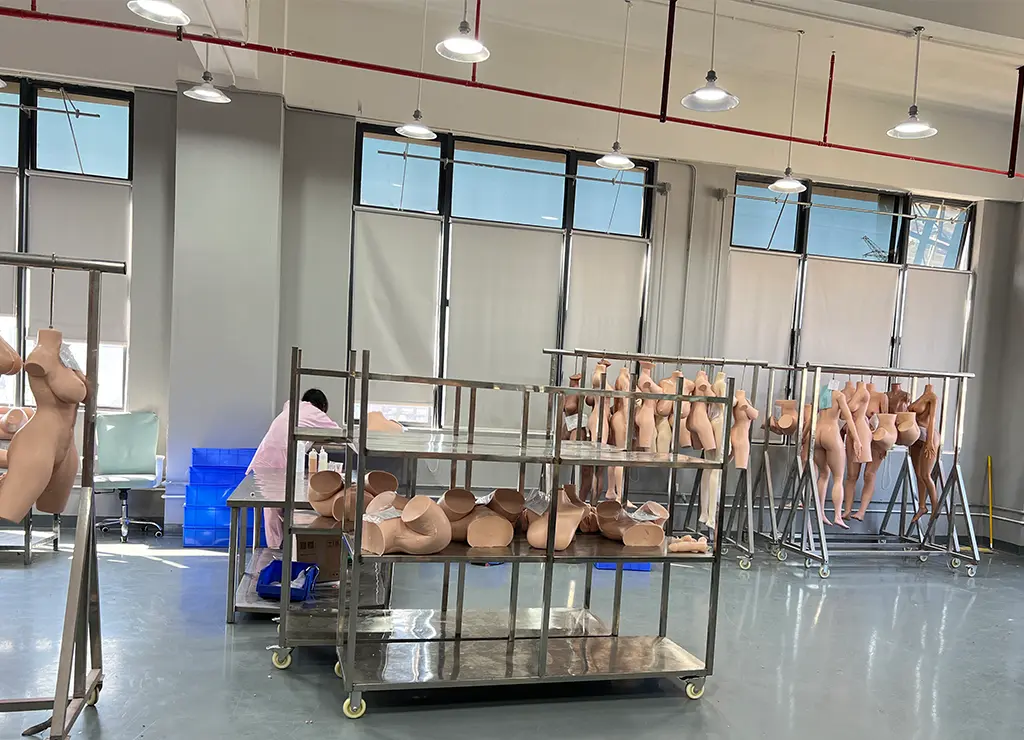
Repair and after-sales procedures should be documented before the first bulk shipment.
Why after-sales matters more for B2B buyers
- High unit value: a replacement is a significant cost, so diagnosis must be accurate.
- Freight cost: returning a full doll can cost more than a local repair.
- Customer reviews: one unresolved defect can affect a retailer's reputation.
- Repeat orders: buyers reorder from suppliers who solve problems, not from suppliers who disappear.
- Regulatory and platform pressure: marketplaces expect a clear returns and warranty process.
After-sales is also a sales tool. A distributor that can explain the claim process confidently is easier to trust than one that says "contact the factory" without a procedure.
Build a spare-parts list before you need it
Not every component can be shipped separately, and not every repair should be attempted by the end customer. Define which parts are available, which are factory-only and which are consumables.
| Category | Examples | Typical handling |
|---|---|---|
| Consumables | Cleaning powder, care kits, lubricant, repair adhesive | Stock locally; include care instructions |
| Cosmetic parts | Wig, eyes, false lashes, makeup touch-up materials | Ship as small accessories; train the customer |
| Replaceable components | Head, hands or other removable parts where the model allows | Confirm compatibility before shipping |
| Structural parts | Skeleton joints or internal components | Usually factory repair or replacement; not a customer DIY task |
| Packaging | Carton, foam, manual, labels | Useful for resale and returns; keep a small stock |
Ask the factory for a parts list with names, photos, compatibility and lead time. A generic "spare parts available" statement is not enough for a distributor's customer-service team.
Design a warranty policy that is clear and fair
Warranty terms vary by market and contract. The important thing is to write them down and apply them consistently.
| Element | What to define |
|---|---|
| Covered | Manufacturing defects in materials or workmanship under normal use |
| Not covered | Wear and tear, accidental damage, improper storage, unauthorized repair, misuse, cosmetic changes after delivery |
| Period | A defined period from delivery, with any local legal requirements checked |
| Evidence | Order number, photos, video, description of use and storage |
| Remedy | Repair, replacement part, replacement unit or credit — in a defined order |
| Costs | Who pays for return freight, inspection, repair and reshipment |
| Response time | Target time for first response and for a decision after evidence is received |
Do not promise a remedy you cannot operationally deliver. A fast partial credit may be better for the customer than a slow full replacement.
RMA workflow: from complaint to resolution
- Intake: collect the order number, model, delivery date, photos and a short description.
- Triage: classify the issue as shipping damage, manufacturing defect, wear, misuse or unclear.
- Remote diagnosis: request a video or additional photos; check whether a simple fix is possible.
- Decision: repair, send a part, replace, credit or decline with a reason.
- Return authorization: issue an RMA number and packing instructions if the item must come back.
- Inspection: confirm the cause on arrival; document with photos.
- Resolution: complete the repair, replacement or credit and confirm with the customer.
- Root cause: feed repeated issues back to the factory QC team.
Keep the RMA record separate from the sales order so you can see repeat defects by model, production batch and cause.
Repair or replace? A practical decision table
| Situation | Usually better |
|---|---|
| Small cosmetic issue or a replaceable accessory | Send a part or offer a partial credit |
| Localized seam or surface repair that a trained technician can fix | Repair with a documented method |
| Structural skeleton failure or a large area of damage | Replace the unit or return to the factory |
| Shipping damage with visible carton damage | Claim with the carrier; document before opening |
| Wear after months of use | Offer paid repair or a replacement at a defined price |
| Unclear cause | Request more evidence before promising a remedy |
Customer communication that reduces escalation
Give the customer a process, not a promise. A short reply with the next step is better than a long apology with no timeline.
- Acknowledge the issue and give a case number.
- Ask for the specific photos or video you need — not "more information".
- Explain what is covered and what is not, in plain language.
- Give a decision date and name the person responsible.
- Confirm the resolution in writing.
For repairable issues, link to the sex doll repair guide. For care and storage, link to the retailer care guide and the TPE lifespan guide. Clear care instructions prevent a share of avoidable claims.
Prevent repeat claims
- Record every claim by model, batch, defect type and cause.
- Review the top three repeat defects with the factory each quarter.
- Update the QC checklist and the approved sample when a defect is found.
- Train the customer on storage, cleaning and pose limits.
- Check packaging and carton strength after every carrier change.
- Keep a small stock of high-turnover spare parts.
After-sales data is quality data. A factory that reviews it with you is more useful than one that only sends a replacement.
Frequently asked questions
Does CoolMate provide a warranty?
Warranty terms depend on the model, market and contract. Ask for the current terms in writing and confirm what is covered, the claim period and the remedy before ordering.
Which spare parts are available?
Availability varies by model. Request a parts list with photos, compatibility and lead time. Consumables and cosmetic accessories are usually easier to ship than structural components.
Who pays for return shipping?
This should be defined in the warranty policy. Many policies separate manufacturing defects from shipping damage and misuse, with different cost responsibilities for each.
Can a customer repair a doll themselves?
Simple cosmetic care and accessory replacement may be suitable for trained customers. Structural or skeleton repairs should be handled by the factory or an approved technician.
How do I reduce after-sales claims?
Use a clear specification, an approved sample, a documented QC plan, good packaging and customer care instructions. Track repeat defects and feed them back into production.
To discuss spare parts, warranty terms or an RMA process for your market, review our B2B services and OEM/ODM process, or contact our export team with your model list and order history.
Last updated: 27 October 2026. Warranty and return terms are confirmed in the sales contract and must comply with the law of the destination market.